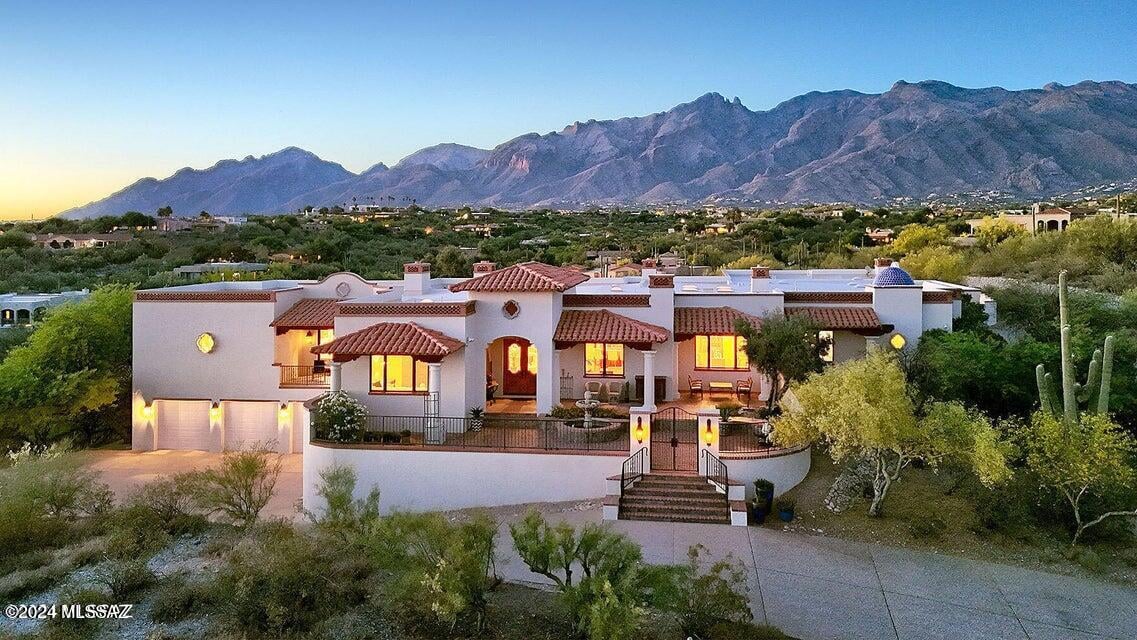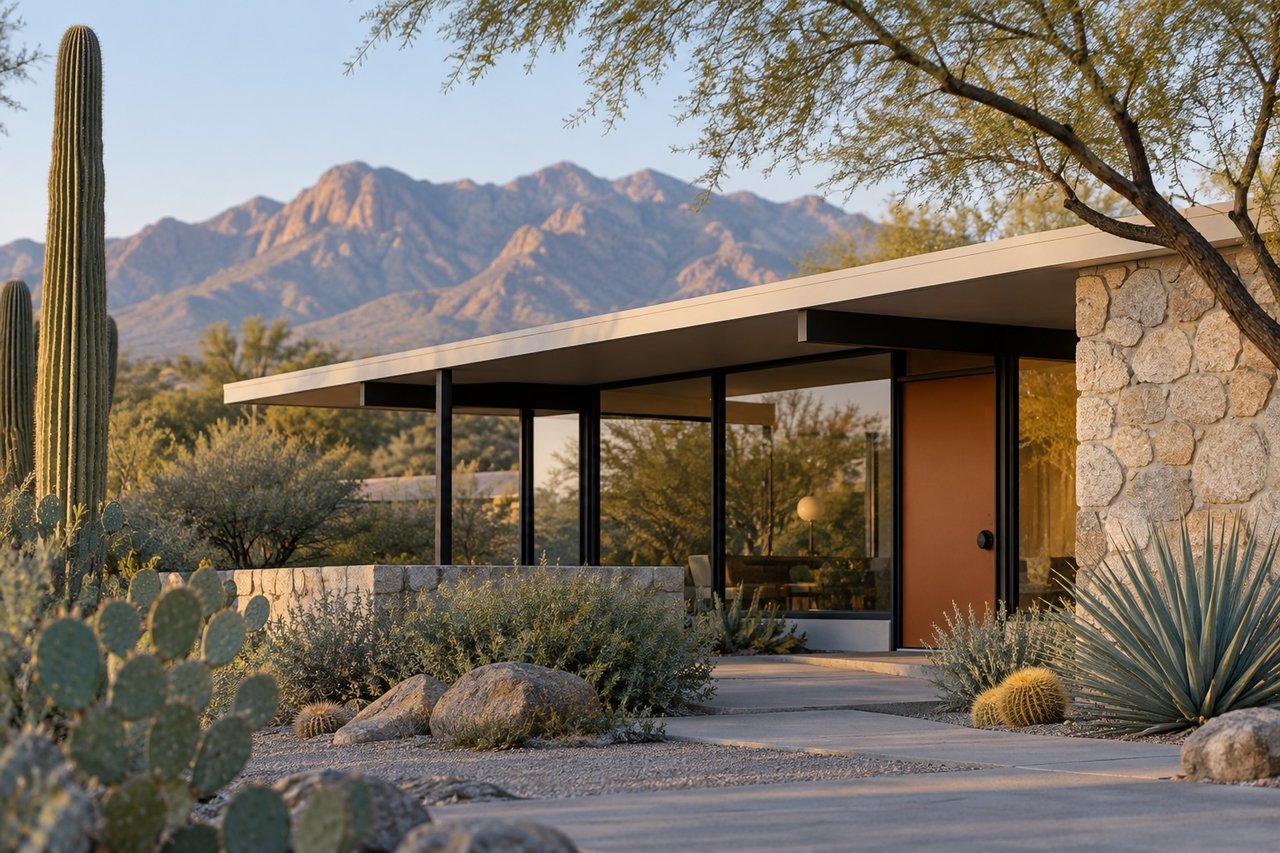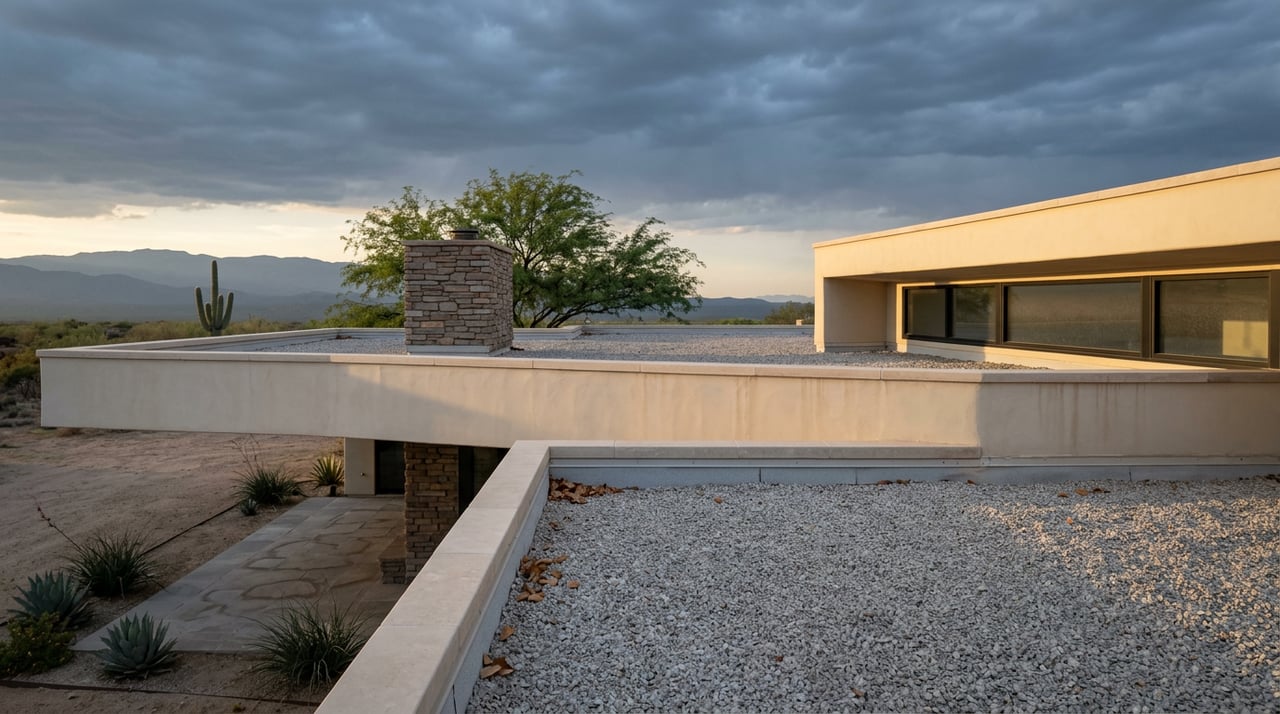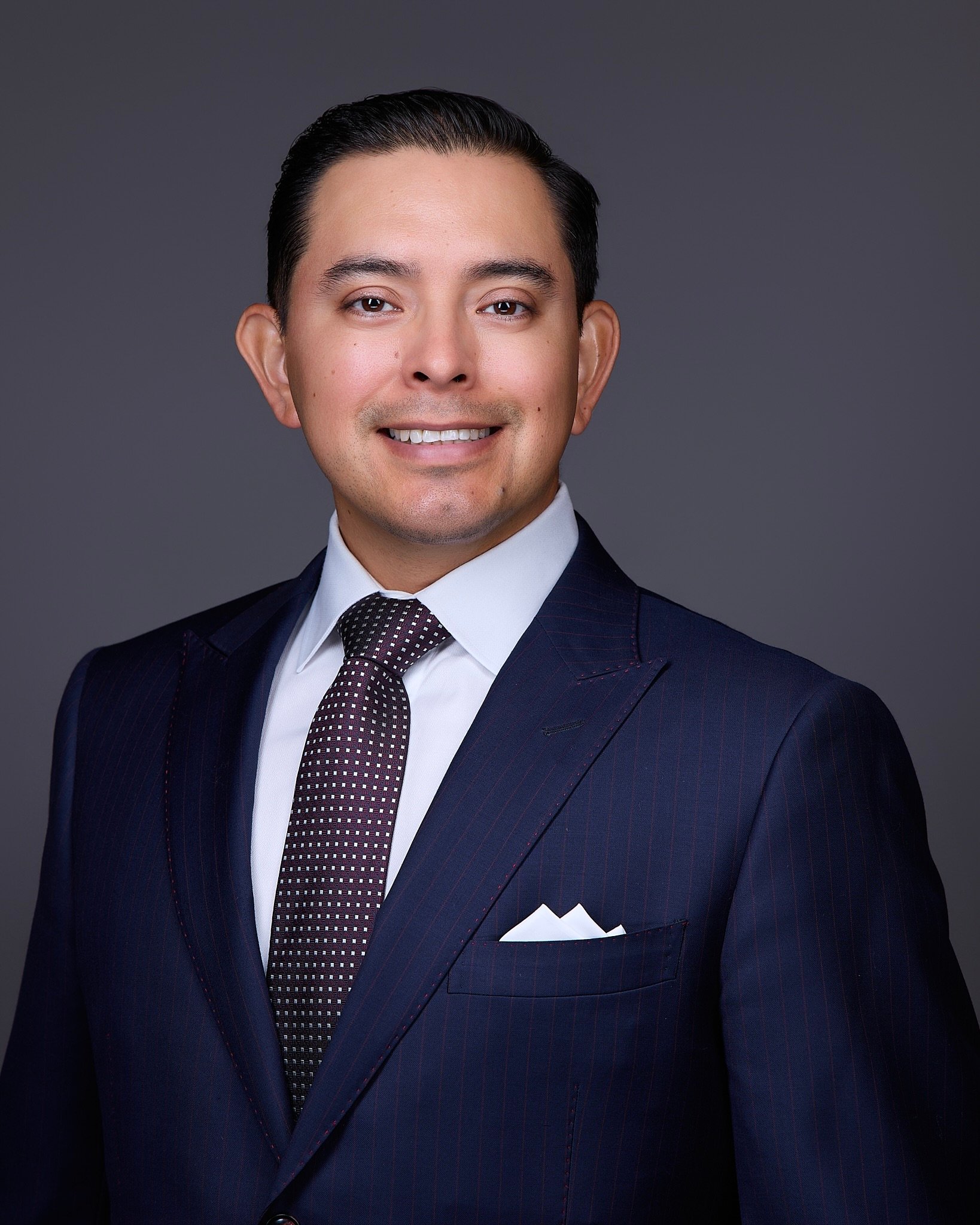
It is with great pleasure that Daniel welcomes you. With over a decade of experience in the real estate and sales industries, he knows how crucial it is for you to find relevant, up-to-date information. That is exactly what you will find here!
Whether buying, selling or simply needing advice contact Daniel today!


Daniel Sotelo is a top-tier Tucson real estate agent who demonstrated exceptional communication, professionalism, and dedication throughout the sale of our home. Over the 3–4 months Daniel represented us, he significantly incre...
We had an excellent experience selling our home in Ventana Canyon Country Club with Tucson Realtor Daniel Sotelo. Thanks to his expert pricing and marketing strategy, we sold our home in just 5 days—even after listing on the hi...
Our experience with Tucson Realtor Daniel Sotelo was outstanding. Relocating from out of state, my wife and I had no familiarity with the Tucson housing market. Daniel guided us personally and professionally every step of the w...
Working with Tucson Realtor Daniel Sotelo made our home purchase incredibly smooth, even though it involved multiple inspections, repair estimates, and sensitive negotiations. Daniel’s professionalism, attention to detail, and ...
Daniel Sotelo is an outstanding Tucson Realtor—professional, detail-oriented, and incredibly easy to work with. He gave me the expert guidance I needed to confidently purchase the home I now call my own. Daniel is a straight sh...
When we decided to sell our Tucson home in April 2017, we contacted Daniel Sotelo, a highly recommended Tucson real estate agent referred to us by a former University of Arizona colleague. Living out of state made choosing the ...
Daniel Sotelo sold my home in Northwest Tucson and was an exceptional guide throughout the entire process. From pricing and showings to negotiations and closing, Daniel stayed steady and professional. He calmly helped me naviga...
Daniel Sotelo is an incredible Tucson Realtor who offers a no-pressure, patient approach that truly sets him apart. He worked tirelessly to help us find the right home—never rushing the process and always providing thoughtful g...
Daniel Sotelo is a standout Tucson Realtor and a true professional in every aspect of the home buying and selling process. He kept me informed at every stage and handled the transaction with confidence, clarity, and care. Wheth...
Daniel Sotelo is an exceptional Tucson Realtor who made the home buying process stress-free and enjoyable. He was incredibly attentive at every step—quick to respond, well-organized, and always friendly. His professionalism and...
Daniel Sotelo is a knowledgeable and helpful Tucson Realtor who made my home search easy and stress-free. He showed me properties in the areas I liked and within my budget, giving me a wide variety of homes to choose from. He w...
Daniel Sotelo is a highly knowledgeable and helpful Tucson Realtor who made the home buying process smooth and straightforward. He answered every call, responded to all my questions promptly, and provided expert guidance from s...
Daniel Sotelo is a wonderful Tucson Realtor who always puts his clients’ best interests first. His dedication, integrity, and client-focused approach set him apart in the Tucson real estate market. If you're looking for a trust...
Daniel Sotelo is an excellent Tucson Realtor—polite, honest, and highly knowledgeable. He brings professionalism and integrity to every step of the real estate process. Whether you’re buying or selling a home in Tucson, you can...
Working with Daniel Sotelo was a true 5-star experience. As a Tucson Realtor, he delivered exceptional service, clear communication, and expert guidance from start to finish. Whether you're buying or selling a home in Tucson, D...
Address
3450 E Sunrise Dr #150 Tucson, AZ 85718